
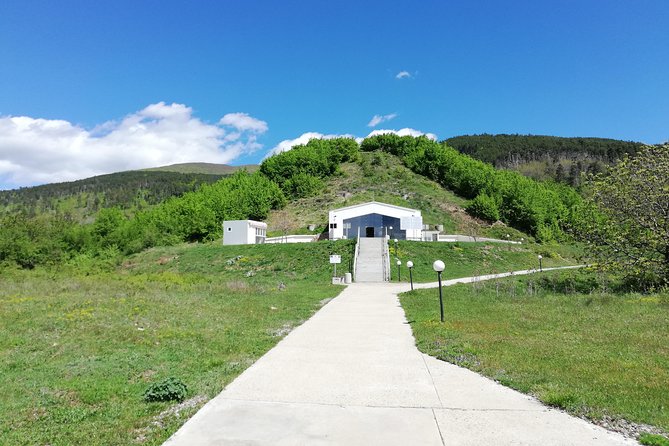
Reviewed · THRACIAN HERITAGE TOURS
Valley of the Thracian Kings, Hidden Treasures
The most remarkable part of this day trip is the chance to enter Bulgaria’s ancient Thracian world, far from Sofia’s busy streets. The Valley of the Thracian Kings holds roughly 1,300 burial mounds, and the painted tomb at Kazanlak is a UNESCO World Heritage Site.
I like two things right away: the door-to-door transport saves you from arranging a long rural journey, and the tour brings several very different tombs together in one day. I also like that the ticket price includes admission to the sites and museum.
The main drawback is the distance. You’ll spend close to six hours on the road, and the quality of the day depends heavily on your guide. Most guides, including Ivan, Krassimir, Lyubo, and Daniel, are praised for lively historical explanations, but one poor guide can leave the long drive feeling empty.
Key points about the Valley of the Thracian Kings tour
- Four Thracian tombs in one day: See Kazanlak, Grifoni, Ostrusha, and additional burial sites in the valley.
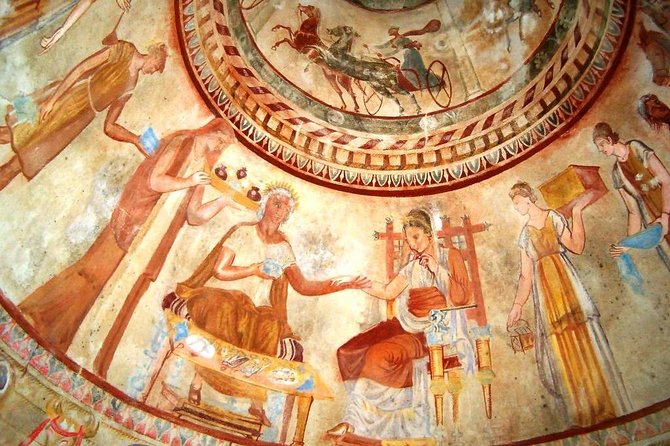
- UNESCO-listed frescoes: Kazanlak’s original paintings date from the end of the fourth century BC.
- A long but worthwhile road trip: The drive takes about three hours each way from Sofia.
- Museum context included: Iskra Historical Museum displays objects found in the tombs and examples of Thracian art.
- Small groups are common: The tour may run with only two or three people, though the stated maximum is 15.
- Good fit for history fans: You’ll get the most from the day if archaeology, mythology, and ancient Bulgaria interest you.
Why the Thracian tombs are worth the long ride
The Thracians left no surviving literary tradition of their own, so much of what you learn comes from burial sites, objects, paintings, and accounts written by neighboring peoples. That makes the tombs especially important. They are not simply old rooms under mounds. They offer clues about status, belief, art, burial customs, and the links between ancient Bulgaria and the wider Greek world.
The valley was a favored burial ground for Thracian nobles. About 300 of the estimated 1,300 burial mounds have been excavated, so even after your visit, you’ll be seeing only a portion of the area’s remains.
I find the setting valuable because the tour places the archaeology in rural Bulgaria rather than keeping it inside a city museum. During the drive, you may pass fields of sunflowers, small towns, villages, agricultural land, plains, and mountains. On clear stretches, Shipka and Buzludzha may appear in the distance.
That long road is both the strength and weakness of the trip. It gives you a wider view of Bulgaria, but you need to be comfortable sitting in a vehicle for much of the day. The van is described as comfortable, and private transport makes the journey easier than piecing together public connections, but this is not a quick sightseeing outing.
More Thracian tombs and royal valley trips:
- Plovdiv and Thracia Valley with Wine Tasting
★ 4.5 · 15 reviews - Tour to Koprivshtitsa and the Buzludzha monument incl the Seuthes Thracian Tomb
★ 3.5 · 3 reviews - Kazanlak-Rose Valley-Valley of the Thracian Kings – private tour from Plovdiv
★ 5.0 · 15 reviews
Kazanlak and the painted tomb
The first major stop is the Thracian Tomb of Kazanlak, the best-known site in the valley. It dates from the end of the fourth century BC and is prized for its original frescoes, which remain unusually well preserved.
The paintings are the reason this tomb matters so much. They offer a rare look at Thracian artistic skill and funerary customs. The site is recognized by UNESCO as a masterpiece of Thracian art, so this is the central archaeological stop of the day.
You should expect the tomb itself to be small. That matters because the value comes less from walking through a large complex and more from seeing the details of the decoration and understanding what the burial tells us. Your guide’s explanation is important here. Without context, a short visit can feel like a quick look at a painted chamber. With a strong guide, the frescoes become part of a larger story about the Thracian elite and their beliefs.
The tour includes admission, so you do not need to budget separately for the listed attractions. You should still keep your schedule flexible, since the exact time at each site can depend on the group and the day’s road conditions.
Grifoni Tomb and the burial of the elite
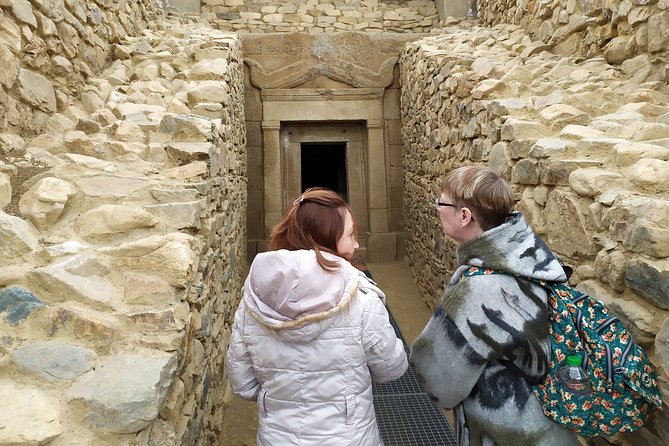
Grifoni Tomb dates from the fifth century BC and differs from Kazanlak in both age and design. It has three chambers and a corridor, giving you another way to understand how these burials were built and used.
The site produced many valuable objects and is considered one of the richest Thracian burials found so far. That makes it especially useful after Kazanlak. You are not looking at the same kind of tomb twice. Instead, the sites build a picture of changing designs, customs, and artistic choices.
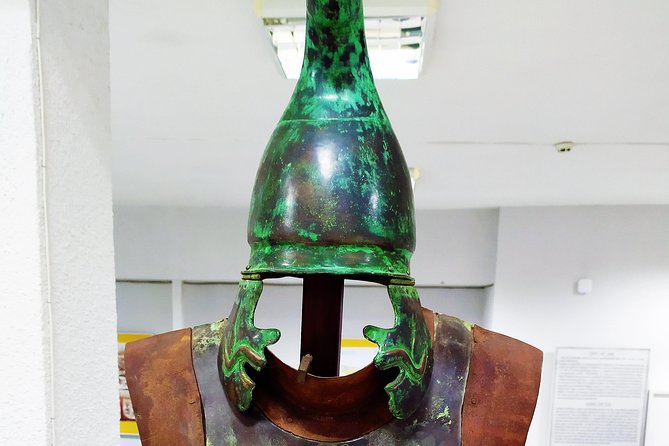
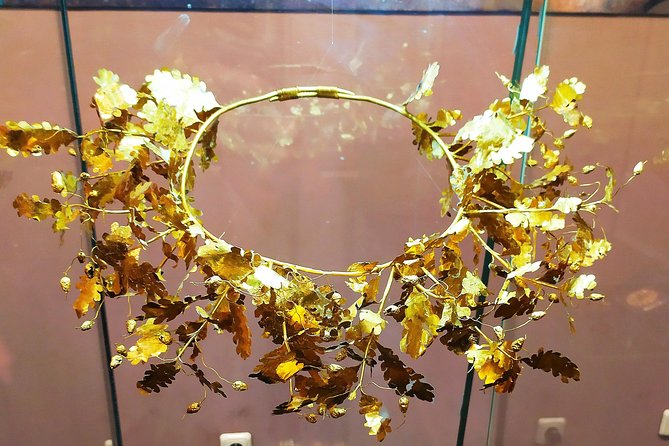
Many of the best objects from these tombs are no longer inside the burial chambers. They are displayed in museums, which is why the later visit to Iskra Historical Museum matters so much. At the tombs, you see the spaces and decoration. At the museum, you can see the material culture taken from them.
A good guide should connect those two parts. Guides with training in archaeology or history have been especially effective on this tour. Ivan is praised for anecdotes and clear explanations, while Lyubo is described as having a master’s degree in history and giving detailed background on both the tombs and Bulgaria.
Ostrusha and its unusual ceiling
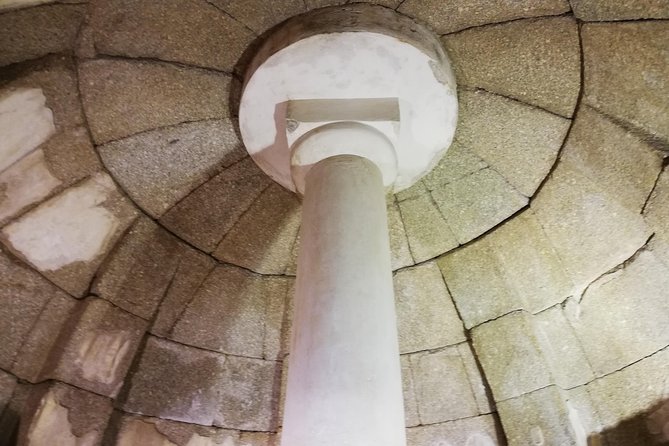
Ostrusha Tomb dates from the fourth century BC and is famous for its ceiling. The decoration combines relief work with fine painting, including portraits, colorful figures, and floral designs.
This is one of the stops where close looking pays off. The tomb is not large, but the ceiling gives you plenty to examine. You may notice a different artistic mood here than at Kazanlak, which helps show that Thracian art was not one fixed style.
The tour description also includes additional Thracian tombs beyond the named Kazanlak, Grifoni, and Ostrusha sites. The supplied information describes a total of four tombs visited, with one described in a review as an excellent reconstruction. Ask the operator which fourth tombs are scheduled on your date, since the exact site list is not fully spelled out.
That is a useful question to ask before booking. The experience is strongest when you know which chambers and reconstructions you will see, rather than assuming every departure follows exactly the same order.
A few more Sofia half-days worth a look
- Rila Monastery and Boyana Church Full-Day Tour
★ 4.5 · 918 reviews - Sofia Escape Room – Teorema Rooms
★ 5.0 · 895 reviews - From Sofia: Rila Monastery & Boyana Church Day Tour
★ 4.5 · 866 reviews - Communist Walking Tour of Sofia
★ 5.0 · 690 reviews
Iskra Historical Museum puts the pieces together
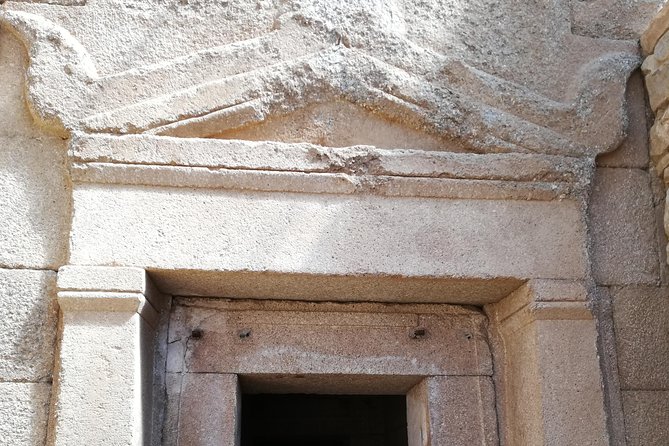
After the tombs, you spend about an hour at Iskra Historical Museum, the regional archaeological museum. This stop displays finds from the valley, along with examples of Thracian art and material culture.
I consider the museum essential rather than an optional extra. The tombs can be physically confined, and some important objects have been removed for preservation or display. The museum lets you see the artifacts at closer range and gives your guide a chance to explain what was found at each site.
This is also where the day can move beyond tomb architecture. The Thracians are often reduced to a few famous names, such as Orpheus and Spartacus, or to broad claims about mysteries and lost cultures. A well-prepared guide can help separate evidence from legend and place Thracian society within Bulgarian history.
That level of explanation is not guaranteed by the vehicle or entrance ticket alone. Your guide is central to the experience. Strong guides have been described as active in archaeology or trained historians. They have explained excavation methods, how tombs were maintained, and how the sites fit into wider Bulgarian history.
The guide can make or break the day
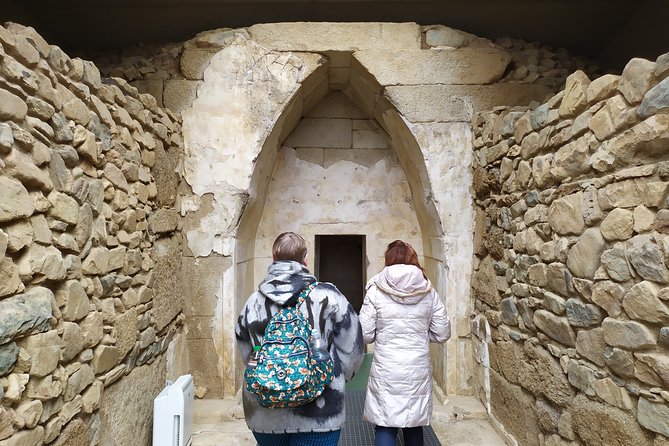
This tour needs a guide who enjoys the subject. You are not simply being driven to a famous monument, because much of what you see is compact and visually subtle. The stories, dates, burial customs, and archaeological evidence give the places their meaning.
Several guides have received strong praise. Ivan is described as articulate and good at adding anecdotes. Krassimir is praised for detailed explanations and for adding an extra stop. Lyubo is noted for clear English, lively conversation, and a master’s degree in history. Daniel is described as both informed and helpful, including a restaurant stop for lunch.
Mikla, with the spelling uncertain, is also praised for keeping conversation going during the long drive. That point is practical. The outbound and return journeys together take around six hours, so a guide who can explain the region or answer questions will make a major difference.
There is one serious warning. A poor guide can offer little commentary, give vague answers, or seem unhappy to be working. One particularly negative experience described almost no useful discussion of the Thracians and long stretches of silent driving. Since the tombs are small and the drive is long, this is not a minor issue.
I recommend contacting BulTrips before booking and asking who is scheduled to guide your departure, if that information is available. You can also ask whether the guide has a background in history or archaeology. The overall rating is high at 4.8 from 28 ratings, with 96 percent recommending the experience, but the uneven guide reports show why this question is sensible.
Transport, timing, and the real cost of the day
The tour starts at 8:00 am, with pickup from any point in Sofia. Hotel pickup and drop-off are included, as is transport in a private vehicle.
At about 10 hours, this is a full day. The tomb portion takes around three hours, the museum about one hour, and the return drive about two and a half hours. The remaining time covers the outbound drive, transfers, and movement between sites.
At $119.27 per person, the price is not cheap for a day trip in Bulgaria, but it includes a professional guide, private transport, pickup and drop-off, and entrance fees. You are paying for convenience and a specialist day rather than simply a ride to Kazanlak.
The value improves when the group is small. Some departures have had only two or three people, including the guide, while the stated maximum is 15. A small group gives you more room to ask questions and makes the private vehicle feel more useful.
Food and drinks are not included. Plan to buy lunch separately or ask your guide about a suitable restaurant. Daniel has taken a participant to a pleasant restaurant, but lunch arrangements are not promised as part of the tour.
Group discounts are offered, and private tours are available. If you are traveling with family or friends, ask for the current group price. Children must be accompanied by an adult, and you should have a moderate level of physical fitness.
Who will enjoy this day trip from Sofia
I would choose this tour if you care about archaeology, ancient art, Bulgarian history, or mythology. You will get more from the day if you enjoy listening to explanations and comparing different sites rather than racing from one photo stop to another.
It also suits you if you want to see rural Bulgaria beyond Sofia. The fields, villages, plains, and mountain views give the journey a broader purpose. You are not only visiting tombs, you are seeing the part of the country where the ancient sites sit today.
The tour is less suitable if you dislike long drives or want a relaxed day with lots of free time. Ten hours is a serious commitment, and the schedule leaves little room for lingering. It may also disappoint you if you expect large ruins or dramatic underground complexes. The tombs are important, but several are small, and their meaning depends on explanation.
The attraction is not designed as a physically demanding hike, but you still need moderate fitness for moving around the sites. Children can join if accompanied by an adult, though younger children may find the long drive and detailed history difficult.
Practical booking advice
The tour is offered in English and comes with mobile ticketing. Confirmation is provided when you book, and pickup is available throughout Sofia.
Small-group operation is emphasized, with groups organized up to seven in some cases, while the published maximum is 15. If keeping the group small matters to you, confirm the expected size before paying.
You can cancel for a full refund if you do so at least 24 hours before the start time. Cancellations or changes made less than 24 hours in advance are not accepted for a refund.
BulTrips also describes health measures such as regular medical checks for guides and drivers, masks, and disinfectant spray in vehicles. These details may matter to you if you are still careful about shared transport.
Should you book the Valley of the Thracian Kings tour?
Book it if you want a focused day of Thracian archaeology and prefer a guide-led trip to arranging a complicated rural journey yourself. The included entries, hotel pickup, private vehicle, and museum visit make the $119.27 price easier to justify, especially with a small group and a strong history guide.
Before booking, ask who will guide your departure and which fourth tomb is included. That one step addresses the tour’s biggest weakness. With an enthusiastic guide such as Ivan, Krassimir, Lyubo, Daniel, or an archaeology-trained leader, the long drive becomes part of an informative day. With an uninterested driver, the same route can feel far too long.
For history fans, this is one of the more worthwhile day trips from Sofia. Just go in expecting compact tombs, a lot of road time, and an experience shaped as much by the guide as by the ancient stones.
FAQ
How long is the Valley of the Thracian Kings tour?
The tour lasts approximately 10 hours, beginning at 8:00 am.
Where does pickup take place?
Pickup is available from any point in Sofia, with hotel pickup and drop-off included.
Which tombs are visited?
The route includes the Thracian Tomb of Kazanlak, Grifoni Tomb, Ostrusha Tomb, and additional Thracian tomb sites. The supplied details identify four tombs in total, but do not name every site.
Is entrance included?
Yes. Entrance fees to the listed attractions are included in the tour price.
Is food included?
No. Food and drinks are not included. Lunch may be arranged separately during the day.
Is the tour offered in English?
Yes. The tour is offered in English.
What is the cancellation policy?
You can cancel at least 24 hours before the start time for a full refund. Cancellations or changes made less than 24 hours before the start are not accepted for a refund.
New around Sofia
- Private Winter Day Trip to the Rila Mountain★ 4.5 · 3 reviews
- Sofia Hidden Gems: Small-Group Walking Tour with Tram Ride★ 5.0 · 7 reviews
- Veliko Tarnovo and Arbanassi Small-Group Day Trip from Sofia★ 4.5 · 13 reviews
- Via Ferrata Adventure on Kuklata peak 2257 m in Rila Mountain★ 5.0 · 8 reviews
- Tour to Koprivshtitsa and the Buzludzha monument incl the Seuthes Thracian Tomb★ 3.5 · 3 reviews
- Unique experience to sleep in Rila Monastery★ 5.0 · 6 reviews
- Catacomb Tour in Sofia guided by a Local★ 4.5 · 3 reviews
- Full day tour to Plovdiv with lunch★ 4.5 · 12 reviews
Thracian Heritage Tours, compared.
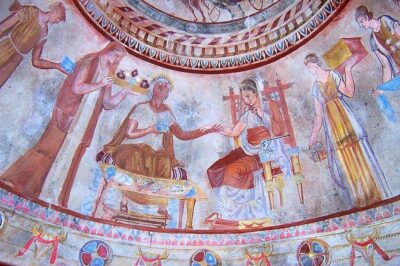
Kazanlak-Rose Valley-Valley of the Thracian Kings – private tour from Plovdiv
Read our review →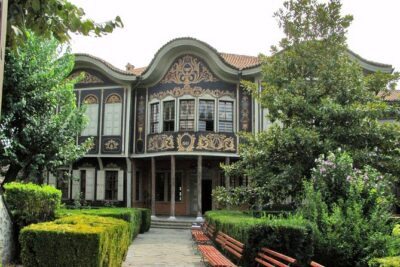
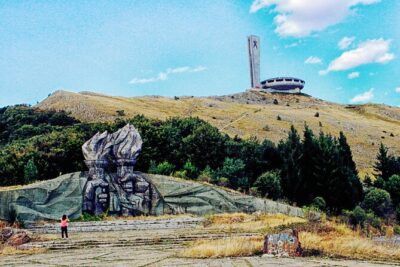
A Day trip to the Thracian Kings, The Valley of Roses & Buzludzha
Read our review →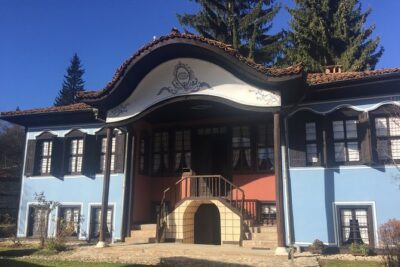
Tour to Koprivshtitsa and the Buzludzha monument incl the Seuthes Thracian Tomb
Read our review →Browse the lists this tour appears in