
Reviewed · ROSE VALLEY TOURS
Picking Roses Workshop & Extracting Rose Oil in the Rose Valley
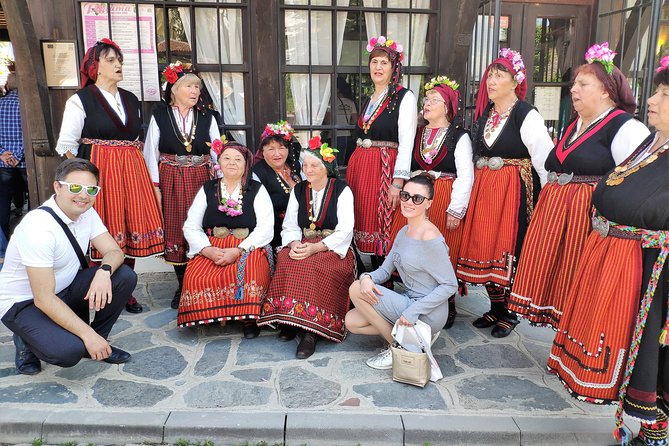
The most memorable part of this three-hour experience is not simply seeing a rose field. It is taking part in the old work of picking roses, then following those flowers into a small distillery, a family-style house, and a soap-making demonstration. During the right weeks, you wear traditional costume, pick alongside local rose-pickers, and taste rose sweet, gulovitsa, and rose liqueur.
I like the hands-on format, especially the mini-distillery demonstration and soap making. I also like the local food touches, since rose sweet and gulovitsa make the custom easier to understand than a standard museum display. The main drawback is timing: rose picking is seasonal, and the exact route can change as the flowers mature. Transportation is also not included, so you must reach Karlovo yourself.
Key points before you book
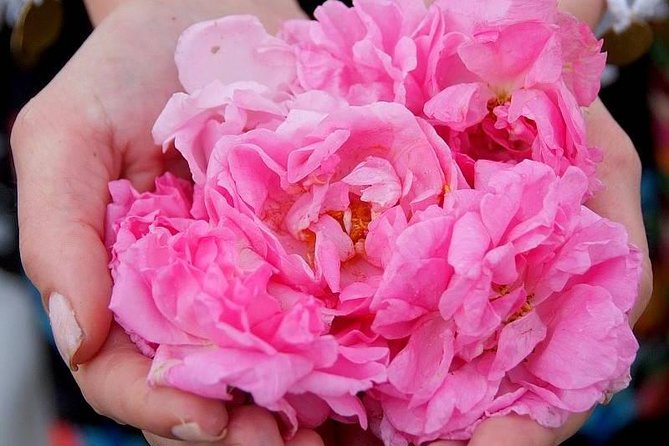
- Rose picking is seasonal: The ritual takes place during the rose-picking season, not throughout the year.
- You may visit Karlovo, Damascena, or both: The final order depends on flower maturity and is reconfirmed with you.
- The experience is private: Only your group takes part, which makes the folk costume and workshop activities more personal.
- Tasting is part of the lesson: Rose sweet, gulovitsa, and rose liqueur are included.
- Soap making adds a practical finish: You see how rose soap is made at a Bulgarian rose factory.
- You arrange your own transport: The activity begins and ends at the meeting point in Karlovo.
Why the Rose Valley makes a good classroom
Bulgaria’s Rose Valley is best understood through work rather than scenery alone. The central subject here is the oil-bearing Kazanlak Rose, a rose grown in these latitudes and valued for the oil inside its petals. The tour gives you a short, direct route from flower to finished product.
That route matters. You begin with the plant itself, see how the petals are gathered, learn how they are processed, and then watch one of the products become soap. You are not left with only a bottle of rose water and a vague story about Bulgarian tradition. You get a practical explanation of how the craft works.
The experience begins at 9:00 am in Karlovo and lasts about three hours. Since the group is private, you do not need to fit into a large shared party. That can be useful for families, couples, or a small group of friends who want to ask questions and take part without being rushed by strangers.
The English-language service is provided on the spot. No guide names are supplied, so you should not book this expecting a particular named guide. Instead, think of it as a local-led workshop with several short stops.
More Rose Valley and Kazanlak trips:
- Kazanlak-Rose Valley-Valley of the Thracian Kings – private tour from Plovdiv
★ 5.0 · 15 reviews - A Day trip to the Thracian Kings, The Valley of Roses & Buzludzha
★ 5.0 · 6 reviews - Private Access Rose Festival Kazanlak 05-07.06.2025
★ 4.5 · 6 reviews
Picking roses in folk costume
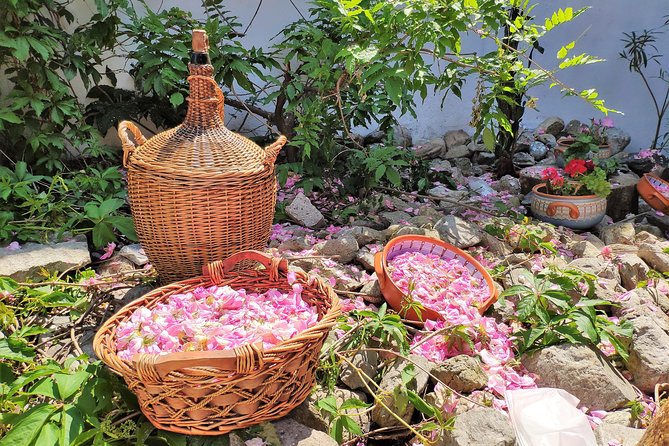
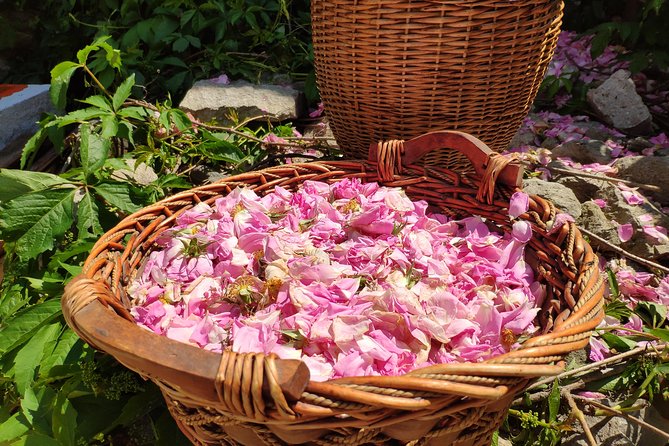
The rose-picking ritual is the heart of the morning. During the correct season, you put on traditional Bulgarian folk clothing and join the local pickers among the roses. This is more engaging than simply walking past a field with a camera.
The clothing is not just a photo opportunity. It helps place the activity in its local setting and gives you a small sense of the ceremony around the harvest. You are taking part in an old custom, not pretending to be a commercial farmer for the day. The experience is designed to show how rose picking has been treated as respected work and craft.
The timing is important. Rose maturity varies from year to year and from one part of the region to another. If the flowers are ready, the picking ritual is included. If they are not, the operator may change the program or use a different destination. Confirm the final details before you set out.
The supplied food tasting gives this stop a pleasant cultural edge. Rose sweet is the most familiar item, while gulovitsa and rose liqueur may be less known to you. The point is not a full meal. It is a chance to taste the rose in forms that sit between dessert, drink, and local custom.
From fresh petals to rose oil
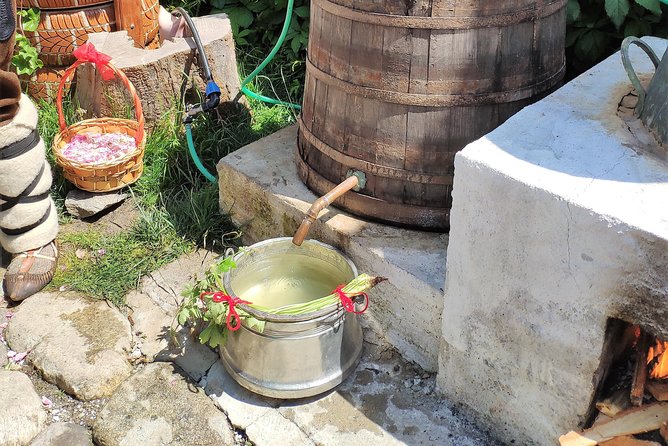
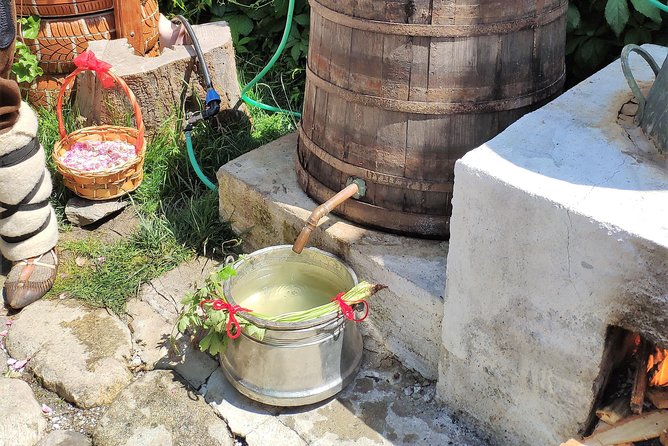
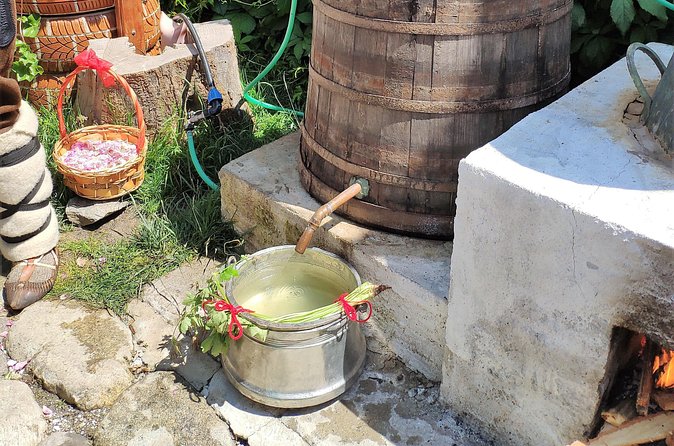
After the field, the experience moves toward production. At an old house, you learn how rose oil is brewed and how rose water is extracted. This is where the morning shifts from ritual to process.
The mini-distillery demonstration is included, and it gives you a clear reason for the rose harvest. The petals are not only attractive flowers. They are the raw material for oil and water, two products closely tied to Bulgaria’s rose industry.
The old house setting also adds a human scale. You can see local life and hear about customs from the people connected with the place. Since this is a short activity, do not expect a full working tour of every stage of industrial production. Instead, expect a focused demonstration that shows the basic idea of extraction.
I especially like this part for visitors who prefer to understand how a souvenir is made before buying one. Rose products can look similar on a shop shelf. Watching extraction gives you useful context, even if the demonstration remains brief.
Karlovo and its old town
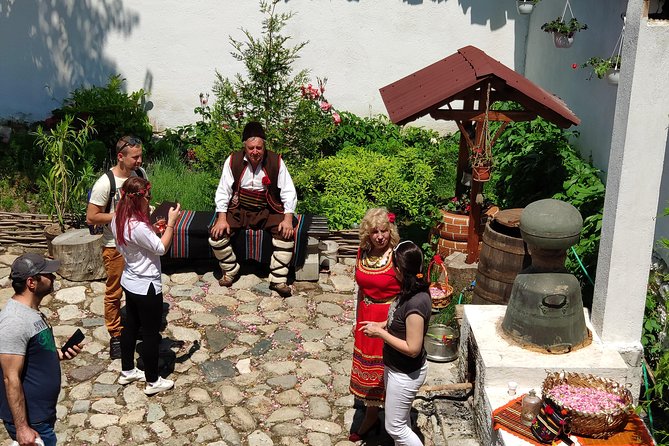
Karlovo is the starting point and the meeting point at the end. It is also one of the possible places used in the program, along with the Karlovo Old Town stop.
The old town adds a different note after the field and distillery work. The rose activity is about agriculture and craft. The old town gives you a look at local buildings, streets, and daily life connected with the area. The supplied details do not specify a particular building or landmark, so you should expect a local walking stop rather than a promised visit to one named attraction.
This part can be useful if you want more than a product demonstration. It keeps the morning tied to a real Bulgarian town instead of making the rose industry feel like an isolated tourist display.
Still, the schedule is not fixed in a minute-by-minute way. Karlovo and Damascena near Kazanlak may be used in different orders, and the program can be amended as the roses mature. The old town portion may therefore feel shorter or longer depending on the final route.
A few more Bulgaria half-days worth a look
- Private Ski Lesson in Bulgaria
★ 5.0 · 92 reviews - Ski and Snowboard lessons- Borovets ski resort
★ 5.0 · 38 reviews - Bulgarian Food tasting, cullinary-historical tour, Cooking class
★ 4.5 · 15 reviews - Private Ski and Snowboard lessons in Bansko Bulgaria
★ 5.0 · 13 reviews
Damascena near Kazanlak
Damascena, near Kazanlak, is the other possible destination. It is connected to the Rose Valley and to the rose-processing side of the experience.
If your program uses Damascena, you may see the rose tradition presented in a more concentrated setting, with the old-house visit, extraction demonstration, or factory elements arranged there. The exact sequence is confirmed with customers because the season affects what can be shown.
This flexibility is sensible, but it means you should avoid planning another tightly timed activity immediately afterward. The experience lasts about three hours, yet the order of stops can change. You will get more from it if you allow room for the local schedule.
The route also means this is not simply a walk from one Karlovo address to another. Transportation is excluded, and the experience begins at the Karlovo meeting point. Ask for the final meeting and route details when booking, especially if you are staying outside Karlovo or planning to use public transportation.
Watching rose soap take shape
The Bulgarian rose factory visit brings the products down to something you can see and understand quickly: soap. Making soap is a practical demonstration, and it gives the rose oil a familiar final use.
This stop is included depending on the time of year. That qualification matters. The tour always includes the extraction workshop-demonstration and soap making, but the factory visit itself can depend on the season. Ask for confirmation if the factory is a deciding factor for you.
The soap demonstration also provides a natural shopping moment, though no purchase requirement is stated. You can approach it as a lesson in production rather than a sales stop. If you do want rose products, the demonstration helps you understand why rose oil and rose water are used.
The best part is the link between each stage. You pick the rose, taste it in local treats, learn to extract it, and see it used in soap. That simple chain gives the tour more substance than a quick stop at a shop selling rose-scented items.
What the three-hour schedule means
Three hours is enough for an introduction, not a full day in the Rose Valley. You can sample the custom, see the basic production method, visit the old town or ethnographic complex, and finish with soap making without giving up an entire day.
The short format works well if you are based in Plovdiv and are combining this with other sightseeing. It also suits you if you want a focused cultural activity rather than a long rural excursion.
The trade-off is limited depth. You will not have unlimited time for every stop, long walks, or an extended factory tour. The exact route can also shift between Karlovo and Damascena. I would treat this as a well-packed introduction to rose culture.
Because the start time is 9:00 am, plan ahead. The experience ends back at the meeting point, but the supplied details do not include transport from Plovdiv. You need to arrange your own way to Karlovo and back.
Value, group size, and practical fit
No price is provided here, so I cannot judge the cost against a specific figure. The value depends on how much you care about participation. If you only want to see a rose field, a basic visit may cost less. If you want folk clothing, tastings, an extraction workshop, soap making, and private guiding, this package offers more substance.
The private format is a strong point for small groups. Only your group takes part, and group discounts are available. That can improve the value when several people share the booking. It also means you can ask questions at the old house or during the demonstration without competing with a large crowd.
Most people can participate, and service animals are allowed. The meeting point is near public transportation. The tour is offered in English. These details make it easier to fit into a Bulgaria trip, though you still need to arrange transportation because it is not included.
This activity suits you best if you enjoy local customs, food tastings, and short practical demonstrations. It is a good match for families, couples, and small groups who want a private morning. It may not suit you if you need a fixed route, a guaranteed factory visit, or a rose-picking activity outside the season.
Weather and cancellation details that matter
The activity requires good weather. If poor conditions force a cancellation, you are offered a different date or a full refund.
You can cancel up to 24 hours before the start time for a full refund. Inside that 24-hour window, the amount paid is not refunded, and changes are not accepted. The cut-off uses local time.
That policy is worth noting because the flower season already creates some uncertainty. Book only when your schedule allows you to keep the date, and confirm the final rose-picking conditions before setting out.
Should you book this rose workshop?
Book it if you want to do more than look at Bulgarian roses from a distance. The strongest features are the folk costume ritual, the tasting of rose sweet, gulovitsa, and rose liqueur, and the clear link from picking to oil, water, and soap.
I would choose it for a private group that values local contact and a compact schedule. The excellent feedback available for this experience praises its local flavor, staff, guides on the spot, and broad appeal. That matches the design of the morning: it is friendly, practical, and easy to follow.
Think twice if you need a guaranteed rose field, a fixed Damascena route, or included transport. The bloom changes the program, and the factory visit depends on the time of year. For everyone else, this is a useful way to turn Bulgaria’s famous rose industry into something you can taste, handle, and understand.
FAQ
Where does the experience start?
It starts at the meeting point in Karlovo, Bulgaria.
What time does the activity begin?
The start time is 9:00 am.
How long does the experience last?
It lasts approximately three hours.
Where does the experience end?
It ends back at the meeting point in Karlovo.
Is transportation included?
No. Transportation is not included, so you must arrange your own way to the meeting point.
Is rose picking available all year?
No. The picking ritual takes place during the rose-picking season.
Which locations may be included?
The program may use Karlovo and Damascena near Kazanlak. The order and destinations can change according to rose maturity and are reconfirmed with customers.
What food and drinks are included?
The tasting includes rose sweet, gulovitsa, and rose liqueur.
Is the activity private?
Yes. Only your group participates.
What happens if bad weather cancels the activity?
You are offered a different date or a full refund. You can also cancel at least 24 hours before the start time for a full refund.
New around Bulgaria
- Monasteries and Waterfalls Tour from Veliko Tarnovo★ 5.0 · 8 reviews
- Self-guided Tour in Tsarevets Fortress★ 4.0 · 9 reviews
- Full-Day Private Sightseeing Tour to the North of Varna★ 5.0 · 4 reviews
- Varna Exquisite Wine Tasting★ 5.0 · 5 reviews
- Wine Experience & Tasting Hub★ 5.0 · 6 reviews
- Guided Nessebar Sightseeing Tour with Pick Up★ 5.0 · 6 reviews
- Infinity spa★ 4.5 · 4 reviews
- Private Cape Kaliakra & the Balchik Botanical Gardens from Varna★ 5.0 · 3 reviews
Rose Valley Tours, compared.
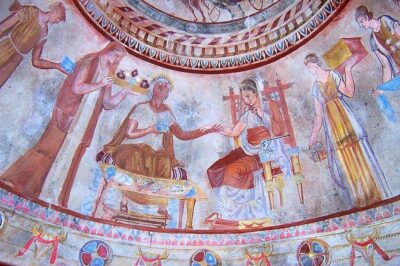
Kazanlak-Rose Valley-Valley of the Thracian Kings – private tour from Plovdiv
Read our review →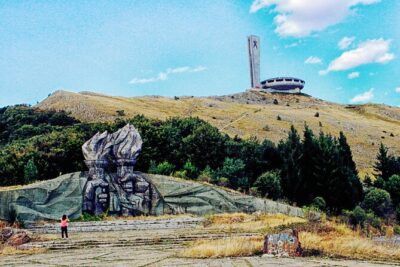
A Day trip to the Thracian Kings, The Valley of Roses & Buzludzha
Read our review →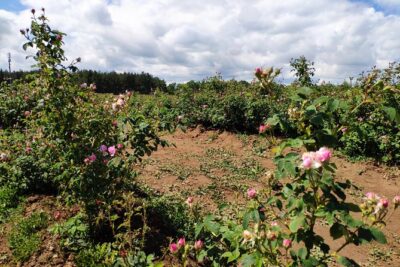
Private Access Rose Festival Kazanlak 05-07.06.2025
Read our review →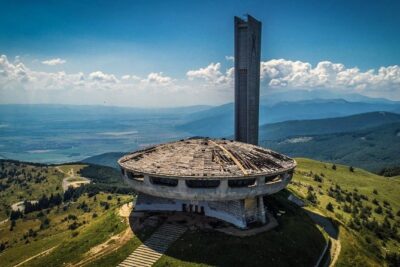
Symbol of the Communism Buzludzha monument and the Rose valley
Read our review →Browse the lists this tour appears in