
Reviewed · WINE TOURS
Wine Tasting in Heart of Sofia
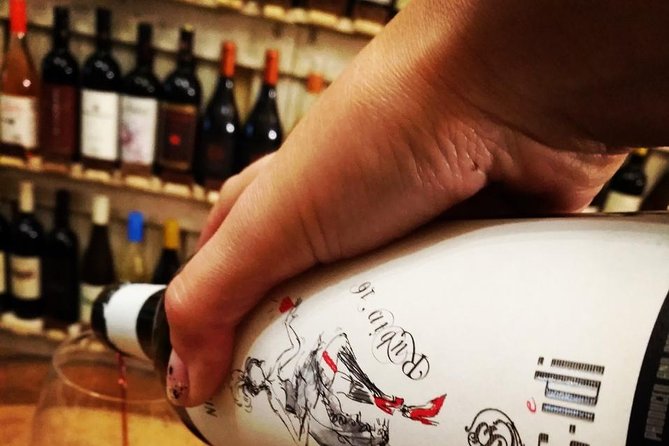
Bulgaria’s wine story reaches back 5,000 years, yet its native grapes remain unfamiliar to many visitors. This one-hour tasting at Tempus Vini brings that story into a small central Sofia wine shop, where Kalin guides you through five local varieties, including Mavrud, Melnik, and Rubin. The grapes are the main event, not familiar international labels with a Bulgarian sticker.
I like the tasting for two clear reasons: you get a useful introduction to Bulgaria’s wine regions, and the cheese and bread make the hour feel like a proper local food experience rather than a series of tiny sips. I also like that Kalin is a producer himself, so some sessions include wines he has made. The main limitation is the short format: you get a strong introduction, but not a full winery visit or a long meal.
Key points to know
- Five native grape varieties: Taste Misket, Melnik, Mavrud, Gumza, and Rubin, grapes associated with Bulgaria and rarely found elsewhere.
- Kalin leads the tasting: He explains wine production, regional differences, classification, and Bulgaria’s changing place in the wine world.
- A central Sofia setting: The experience begins and ends at Tempus Vini on Knyaz Boris I Street in the Old City Center.
- Local food is included: Three Bulgarian cheeses, craft breads, mineral water, and sometimes other light bites accompany the wines.
- A private activity: Only your group participates, though larger bookings may move to a nearby multimedia tasting room.
- Good value for wine-curious visitors: The $36.47 price covers five wine samples and food, but not transportation or a full winery tour.
Five Bulgarian grapes in one Sofia tasting
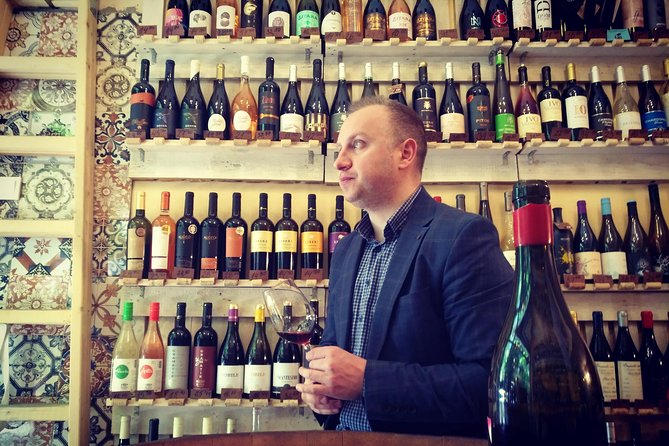
The appeal here is simple: Bulgaria gives you a chance to taste grapes you may not meet on a standard European wine itinerary. The five named varieties are Misket, Melnik, Mavrud, Gumza, and Rubin. Each offers a different way into the country’s wine culture, and the tasting is arranged to build in intensity and aroma.
You are not simply handed five glasses and left to guess. Kalin talks about where the wines come from, how Bulgarian wine has changed, and how old traditions now meet a new generation of small producers. The point is not to memorize tasting terms. It is to understand why a wine tastes and feels different, and how Bulgaria’s regions shape the bottle in your hand.
The session is advertised around five wines, though the exact selection can vary. Some tastings have included six wines, and several have featured orange or natural wines. That flexibility can be a benefit if you enjoy unusual styles, but you should not expect the exact same bottles at every sitting.
More Food and Drink Tours in Sofia
- Sofia Food & Tasting Tour with Communist-Era Tram Ride
★ 5.0 · 35 reviews - Wine and Tapas Boutique Bulgarian Wine Tasting
★ 5.0 · 25 reviews - Market Food Tour
★ 4.5 · 21 reviews
Starting at Tempus Vini in central Sofia
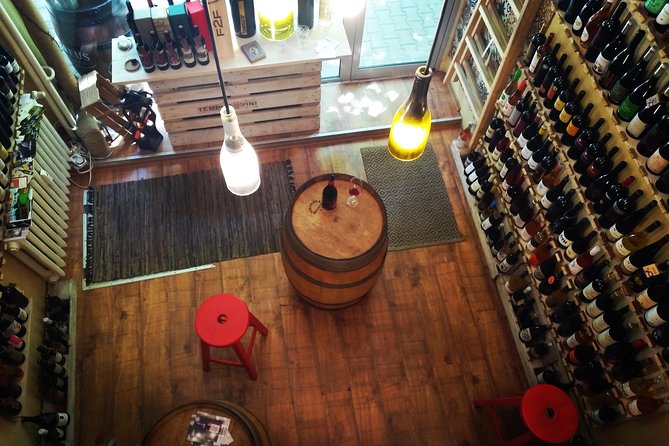
You meet at Tempus Vini, located at 81 Knyaz Boris I Street in Sofia’s Old City Center. The activity begins and ends at the shop, so you do not need to arrange a separate ride between stops. Public transportation is nearby, making this an easy addition to a day spent around central Sofia.
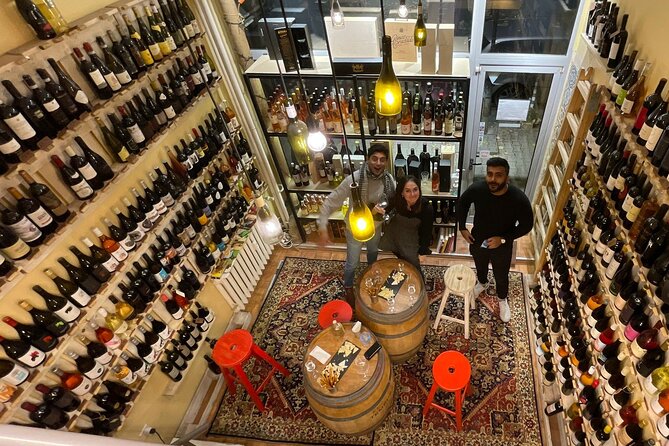
The shop setting gives the tasting an informal feel. You are surrounded by bottles rather than sitting in a formal restaurant or traveling out to a vineyard. That matters because you can ask about labels you notice on the shelves, and you may find a bottle to take home after the tasting.
The setting is also one of the experience’s limits. This is a wine-shop tasting, not a countryside tour. You will not visit a vineyard, walk through cellars, or see grapes growing. If your ideal wine outing includes rural views and a winery lunch, you will need a different experience. If you want an efficient introduction without leaving Sofia, the shop works well.
How the one-hour tasting unfolds
The experience lasts about an hour, which gives it a useful place in a busy Sofia schedule. You can fit it before dinner, after sightseeing, or during an afternoon in the city center. The short length keeps the event focused, though it also means the presentation moves at a steady pace.
Kalin begins with the story of Bulgarian wine production, from ancient times through periods of outside rule and into the current boutique-wine movement. Wine history here is tied closely to the country’s political and cultural changes, and that context helps explain why local grapes are not always familiar abroad.
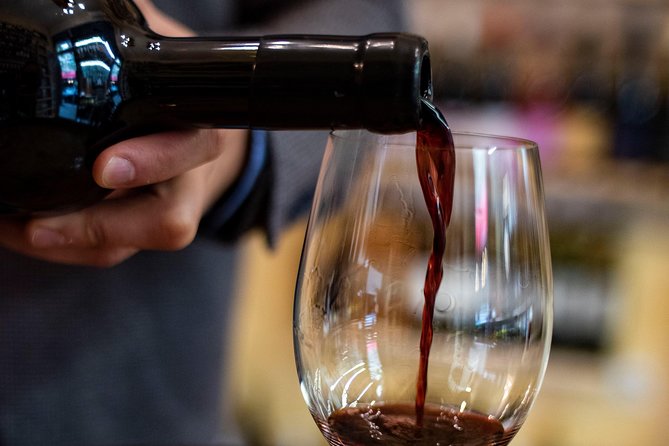
You then move through the wines, sniffing, swirling, and tasting as Kalin discusses the grape and region behind each pour. The wines are served in one glass, with the selection arranged so the intensity and aromas build as you go. This is practical for a short tasting and reduces the clutter of several glasses on a small table.
The presentation is in English. Kalin’s clear explanations are one of the strongest reasons to book, especially if you are new to Bulgarian wine. Julia has also led some sessions, and the experience has been described as friendly and respectful when she hosts.
What makes the native grapes worth trying
Misket, Melnik, Mavrud, Gumza, and Rubin are not just names on a tasting sheet. They give you a reason to pay attention to Bulgaria as a wine country in its own right.
Melnik is linked to the southwest of Bulgaria, while Mavrud is strongly associated with the country’s southern wine traditions. Gumza represents another regional style, and Rubin is a more modern Bulgarian variety. Misket adds a different direction to the tasting, helping you compare lighter and more aromatic expressions with deeper reds.
You do not need prior wine knowledge to enjoy the comparison. Ask Kalin which grape is most typical of a particular region, which bottles are made by small producers, and which wines are best suited to Bulgarian food. The tasting is designed for questions, not for silent inspection of five glasses.
Some sessions have included wines made by Kalin himself. That gives the conversation a personal side, since he can speak about production from direct experience rather than only describing someone else’s work. It also means the selection may include bottles made for the shop or by its owner, rather than a broad survey of unrelated wineries.
That is worth knowing before you book. The tasting gives you a window into Bulgarian wine, but it may not represent five entirely separate producers. One session included several wines from the host, while another participant would have preferred more wines from different makers. If producer variety matters most to you, ask about the current selection when booking.
More Wine Tours in Sofia
- Sofia Wine Walk
★ 5.0 · 18 reviews - Plovdiv and Thracia Valley with Wine Tasting
★ 4.5 · 15 reviews - Rila Monastery and Wine Tasting Tour
★ 4.0 · 9 reviews - Bulgarian Prime Cuts and Wine Tour
★ 4.5 · 9 reviews
Bulgarian cheese makes the tasting more useful
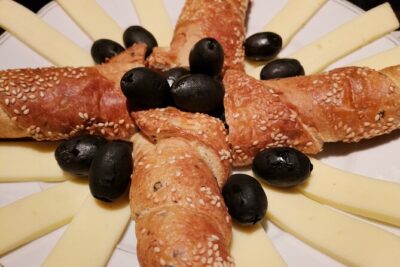
The food is not an afterthought. The standard offering includes three local Bulgarian cheeses, craft breads, and mineral water. The cheeses help you understand how these wines work with food, which is more useful than tasting them in isolation.
Kashkaval has been a particular favorite, and local cheeses and olives have also appeared with some tastings. The exact food selection may vary, especially for larger groups or special occasions, when separate catering is provided.
I like this part because it turns the tasting into a small lesson in Bulgarian eating habits. A cheese can soften a wine’s sharper edge or make its fruit feel fuller. You do not need to analyze every pairing. Simply taste the wine alone, then with the cheese, and notice what changes.
The portions are intended for tasting rather than a replacement for dinner. Plan to eat afterward if you are hungry, especially since the activity takes only about an hour. The snacks are generous enough to make the wines more comfortable and social, but this is not a full meal.
Kalin’s personal approach to Bulgarian wine
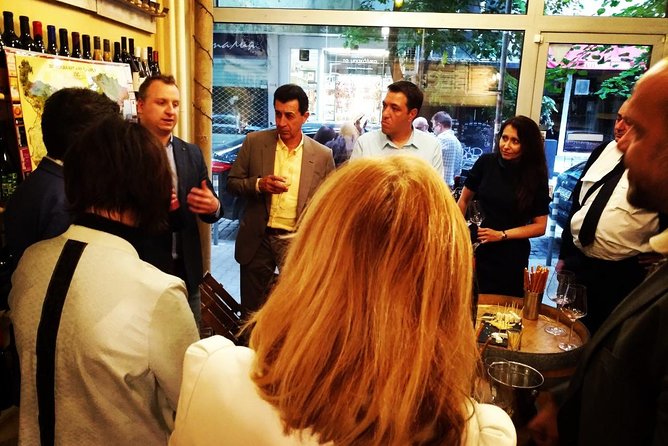
Kalin is both the host and a wine producer, which shapes the tone of the experience. He covers wine-making methods, regional distinctions, grape varieties, and classification, but he also brings personal experience to the subject.
That combination works well for people who want more than a sales pitch. You can ask about the difference between a small producer and a larger commercial label, how Bulgaria’s modern wine scene is developing, and why certain native grapes are difficult to find outside the country.
The strongest part of the teaching is the link between wine and Bulgarian history. The presentation moves from ancient production to current boutique wineries, showing how wine traditions have been affected by different rulers and changing political conditions.
The format stays conversational. It is not a formal lecture, and you do not need to arrive with technical vocabulary. If you enjoy asking questions, you will get more from the hour. If you prefer to sit quietly and taste without much explanation, the amount of background may feel heavier than expected.
Small groups, private bookings, and larger sessions
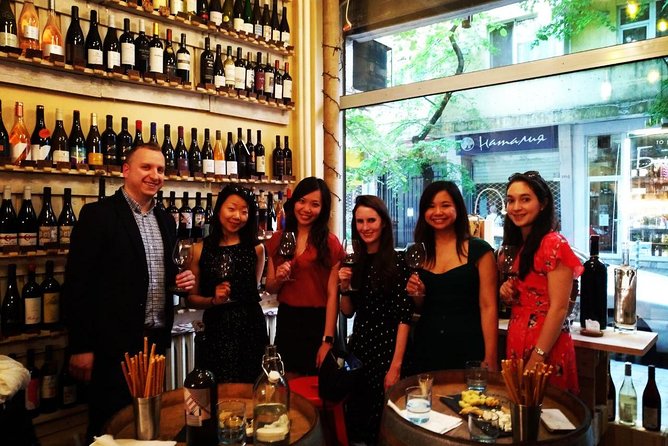
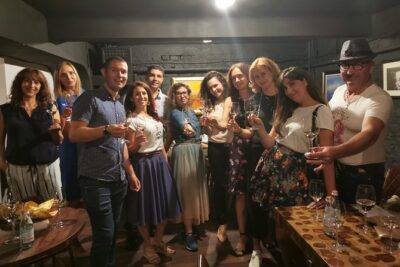
This is a private activity, so only your group participates. That makes it easier to ask questions and keeps the experience personal. Small groups can taste inside the shop, where the surroundings are cozy and informal.
For larger groups, the tasting may take place in a nearby room equipped with multimedia. That space is close to the shop and is intended to handle bigger bookings or special occasions. The food service can also change for those events, with special catering arranged.
The private format is especially useful for couples, friends, or families with mixed levels of wine interest. One person can ask detailed questions while another simply enjoys the tasting. It also avoids the noise and fixed rhythm of a large public group.
The trade-off is that the exact atmosphere depends on your group size. A small booking feels intimate and shop-like. A larger one may feel more like a formal presentation in the multimedia room. Both formats cover the same basic idea, but the character of the hour can differ.
Is $36.47 a fair price?
At $36.47 per person, the value depends on what you want from a wine activity. The price includes the tasting of Bulgarian grape varieties, local cheeses, and the host’s instruction. For a one-hour introduction in central Sofia, that is a reasonable price if you are interested in local wine and want a focused experience without arranging transport.
You are paying for access to bottles you might not easily identify on your own, as well as the explanation that connects them to Bulgarian regions and production. A shop shelf can show you dozens of labels, but it cannot tell you which native grapes are worth trying or how to compare them.
The price does not include private transportation, though none is needed for the stated meeting point. You should also remember that the experience is not a winery tour, a multi-course meal, or an all-afternoon excursion. It offers a concentrated tasting, not a full day in wine country.
Many people choose to buy bottles afterward. That can be a good way to extend the experience, but purchases are separate from the listed price. Ask which wines travel well and which bottles are made by the shop or by small local producers.
Who should book this experience?
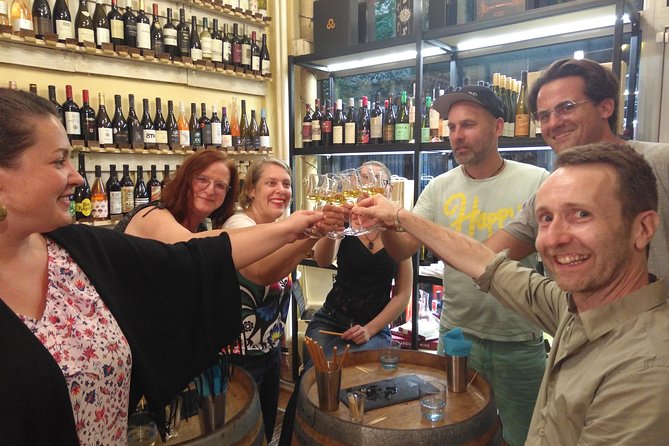
I would choose this tasting if you want an easy introduction to Bulgaria’s wine culture while staying in Sofia. It suits people who enjoy local food, unusual grape varieties, and a host who explains the background rather than simply pouring wine.
It is also a good choice for a first or second day in the city. You get regional context that can make later meals and market visits more meaningful. The central location and one-hour length leave room for other plans.
Wine enthusiasts will appreciate the native grapes and the occasional orange or natural wine. If you are already familiar with Bulgarian wine, ask about the current bottles before booking, since the selection may include several wines from the host or shop rather than one bottle from five separate producers.
I would not choose it as your only wine activity in Bulgaria if you want vineyard scenery, cellar visits, or a broad tour of commercial wineries. For those goals, the experience is too short and too urban. It works best as an accessible Sofia tasting with real local character.
The activity is generally suitable for most people, and confirmation is provided when you book. Since the provider requires a minimum number of participants and notes a good-weather requirement, plans can occasionally change. You can cancel for a full refund up to 24 hours before the start time. Cancellations or changes made later are not refundable or accepted under the stated policy.
Should you book the Tempus Vini tasting?
Book it if you want to taste Bulgarian grapes you are unlikely to encounter elsewhere, learn how wine connects to the country’s past and present, and enjoy local cheese in a relaxed central Sofia setting. The strongest reasons are the native varieties, Kalin’s personal production experience, and the useful regional explanation.
Skip it if you are looking for a countryside winery visit or a long food-and-wine afternoon. The hour passes quickly, and the selection may lean toward wines made for the shop or by the host.
For most wine-curious visitors, this is a smart Sofia add-on. It gives you enough background to recognize Bulgarian wine on a restaurant list, and it may send you home with a bottle you would never have chosen from a shelf on your own.
FAQ
Where does the wine tasting take place?
The tasting begins and ends at Tempus Vini, 81 Knyaz Boris I Street in Sofia’s Old City Center. Larger groups may use a nearby multimedia room.
How long does the experience last?
The tasting lasts approximately one hour.
Which Bulgarian grapes will I taste?
The standard selection includes Misket, Melnik, Mavrud, Gumza, and Rubin. The exact wines can vary, and some sessions include six wines.
Is food included?
Yes. The standard tasting includes three local Bulgarian cheeses, craft breads, and mineral water. Larger groups and special occasions may receive separate catering.
Is the tasting held in English?
Yes. The experience is offered in English.
Is this a private activity?
Yes. Only your group participates. Larger groups may be moved to the nearby multimedia room.
Can I cancel for a full refund?
Yes. You can cancel at least 24 hours before the start time for a full refund. Later cancellations and changes are not accepted or refunded. If the provider cancels because of poor weather or an insufficient number of participants, you will be offered another date, another experience, or a full refund.
More Food and Wine Tours in Sofia
- Bulgarian Food tasting, cullinary-historical tour, Cooking class
★ 4.5 · 15 reviews - 3-Hour Private Bulgarian Food Tasting Tour of Sofia
★ 5.0 · 14 reviews - Authentic Homemade Bulgarian Dessert Tasting in Sofia
★ 5.0 · 12 reviews - Enchanting Honey and Healing Tea Tasting
★ 5.0 · 8 reviews
New around Sofia
- Private Winter Day Trip to the Rila Mountain★ 4.5 · 3 reviews
- Sofia Hidden Gems: Small-Group Walking Tour with Tram Ride★ 5.0 · 7 reviews
- Veliko Tarnovo and Arbanassi Small-Group Day Trip from Sofia★ 4.5 · 13 reviews
- Via Ferrata Adventure on Kuklata peak 2257 m in Rila Mountain★ 5.0 · 8 reviews
- Tour to Koprivshtitsa and the Buzludzha monument incl the Seuthes Thracian Tomb★ 3.5 · 3 reviews
- Unique experience to sleep in Rila Monastery★ 5.0 · 6 reviews
- Catacomb Tour in Sofia guided by a Local★ 4.5 · 3 reviews
- Full day tour to Plovdiv with lunch★ 4.5 · 12 reviews
Wine Tours, compared.
Special History And Wine Tour including Wine Tasting
Read our review →
Private Wine Tasting in the UNESCO town of Nessebar
Read our review →


Browse the lists this tour appears in