
Reviewed · MUSEUMS
Art Gallery Sightseeing Tour in Sofia
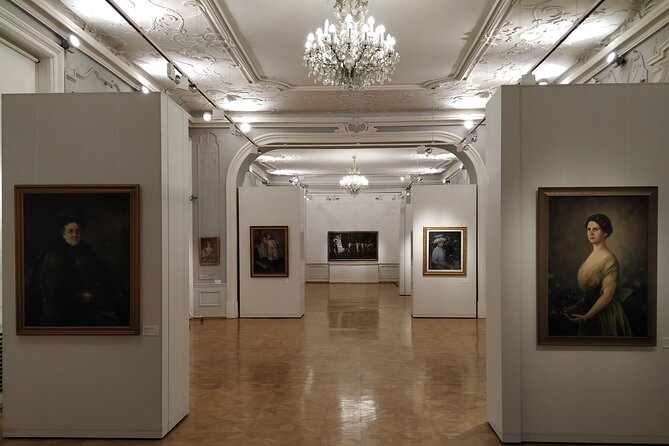
Sofia’s best introduction to Bulgarian art may begin underground, in the Alexander Nevsky Crypt Museum. From there, this compact tour moves through sacred icons, royal collections, modern Bulgarian art, and the city’s grand central buildings. It gives you a useful visual guide to Bulgaria without asking you to spend half a day in museums.
I like the wide time span, from early religious icons to contemporary works. I also like the small, focused route: the cathedral, two art museums, and central landmarks all sit within an easy walking area. The main caution is pace. Two hours is short for four major indoor stops, especially if the group reaches the maximum of 100 people.
Key points at a glance
- The crypt comes first: See Bulgarian icons gathered from sacred places around the country.
- The former royal palace is now an art museum: The National Art Gallery adds a regal setting to the collection.
- Two different art museums balance the visit: You get national works at one and Sofia-focused art at the other.
- A guide adds context: Yoanna is specifically praised for informed commentary and for connecting early and modern art.
- The route stays in central Sofia: The walk includes the National Assembly and other important buildings.
- A complimentary alcoholic drink is included: The tour ends with a small social touch, though the exact drink is not specified.
Why this short Sofia art tour works
Many first visits to Sofia center on churches, Roman remains, and broad city walks. Those are worthwhile, but they can leave Bulgarian painting and icon art in the background. This experience corrects that imbalance in a tidy afternoon outing.
You meet at 3 pm at the Alexander Nevsky Crypt Icon Museum, on Alexander Nevsky Square. That is a sensible starting point because the crypt gives you immediate contact with Bulgaria’s religious art. The tour then moves above ground and into the former royal palace before shifting to the Sofia City Art Gallery.
I like the way the route uses buildings as part of the lesson. You are not simply led from one white-walled gallery to another. The cathedral connects faith and national identity, the palace connects art with monarchy, and the city gallery brings the story into a more modern setting.
The tour is offered in English and lasts about two hours. That makes it useful for an arrival day, a hot afternoon when you want indoor time, or a final look at central Sofia before dinner. It is not designed for slow, private museum study. You will get an overview, not hours with individual paintings.
The price is $56.60 per person. That is more than the cost of entering a single museum on your own, so the value depends on what you want. If you only need admission and prefer reading labels independently, it may feel expensive. If you want one guide to connect several collections and explain what you are seeing, the cost is more reasonable.
More museums and galleries in Sofia:
- Admission Ticket to the Museum of Illusions in Sofia
★ 5.0 · 659 reviews - Buzludzha Monument and the Museum of Socialist Art
★ 5.0 · 25 reviews - Private Sofia Half Day Tour with Boyana Church and National History Museum
★ 5.0 · 12 reviews
Inside St. Alexander Nevsky Cathedral
The first stop is St. Alexander Nevsky Cathedral, one of Sofia’s most recognizable buildings. You have about 10 to 15 minutes inside, with admission included.
That is enough time to get the basic impression of the interior, but not enough for a slow architectural study. The short visit is best treated as an introduction. Look up, take in the scale, and notice how the cathedral prepares you for the icon collection that follows.
The cathedral matters here because it gives religious art a physical setting. An icon can seem distant when viewed alone in a display case. After standing inside a major Orthodox cathedral, you have a clearer sense of the setting in which such images were made and used.
Your guide provides a quick introduction before the group moves on. Since this is a tightly timed stop, listen for the main points rather than trying to photograph every detail. The tour is built around connections between places, not long stretches at one site.
The Alexander Nevsky Crypt Museum and Bulgarian icons
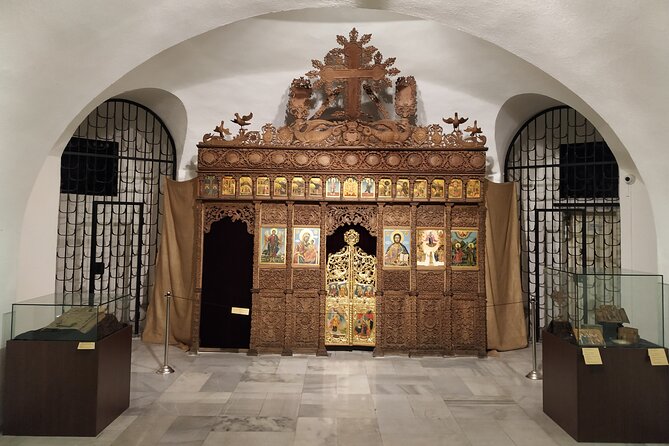
The second stop lasts about 20 minutes and takes place in the Alexander Nevsky Crypt Museum. Admission is included.
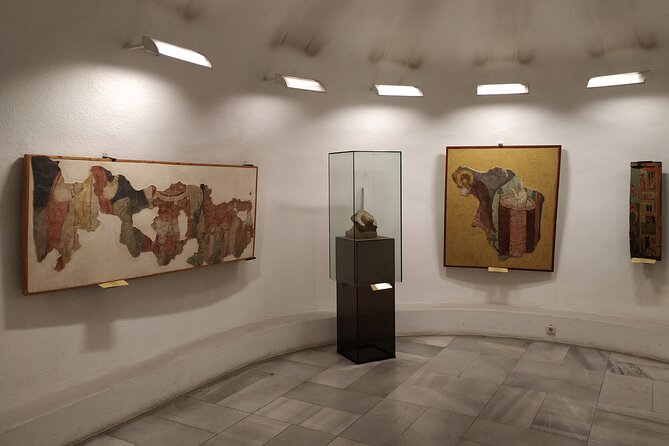
This is likely the artistic center of the tour. The museum holds icons collected from many sacred places in Bulgaria, including pieces described as unique and priceless. The collection gives you a look at an art form that is central to Bulgarian religious and cultural life.
You should expect the crypt to feel different from a modern art gallery. The setting is tied closely to the cathedral, and the subject is more focused. Instead of seeing a broad survey of paintings, you are looking at sacred images shaped by Orthodox tradition.
The limited time can be both a benefit and a drawback. Twenty minutes keeps the visit from becoming tiring if religious art is new to you. At the same time, you may want more time to examine individual icons or ask detailed questions. If you already have a strong interest in icon painting, consider returning on your own if your schedule allows.
For most visitors, the guide’s explanation will make this stop more useful than a quick solo visit. The stated aim is to show icons from across Bulgaria, so the museum offers a national view rather than a narrow display tied only to Sofia.
The former royal palace at the National Art Gallery
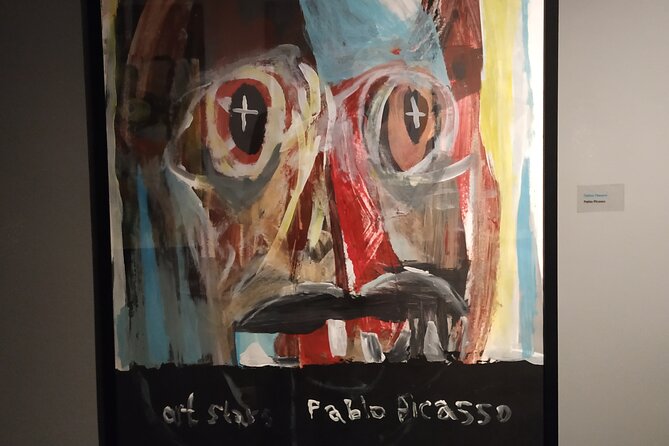
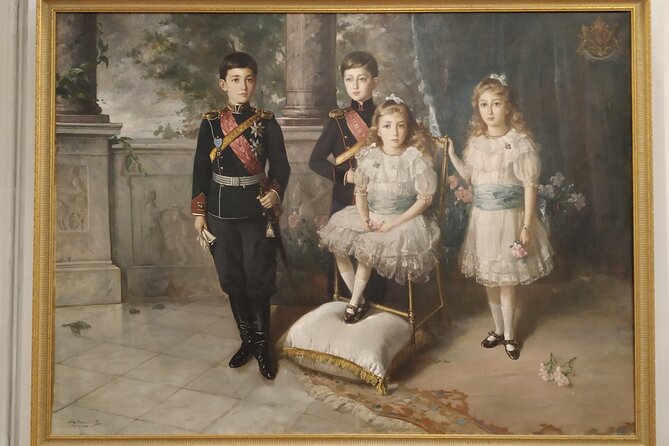
Next comes the National Art Gallery, housed in the King’s Palace. You have around 30 minutes here, with admission included.
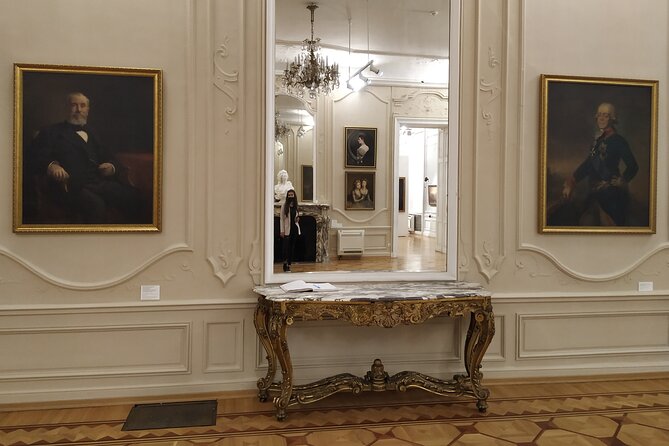
The setting changes the mood of the tour. After the cathedral and crypt, you enter a former royal building where Bulgarian art is presented in a grand civic and historic context. You are not just seeing paintings in a neutral room. The building itself helps explain how art, state power, and public identity have been connected.
Thirty minutes is a useful amount of time for a first pass. Your guide can point out major works and explain where the collection fits in Bulgaria’s story. The supplied information does not name particular artists or galleries inside the museum, so you should think of this stop as an organized introduction rather than a complete museum visit.
I especially like this part for visitors who want more than religious art. The National Art Gallery broadens the subject and gives you a chance to compare older sacred images with later forms of Bulgarian painting and visual culture.
The practical issue is attention. Three indoor art stops in one afternoon can blur together if you rush. Take a moment between rooms to reset. You will get more from the visit if you focus on the guide’s main points instead of trying to remember every work.
A few more Sofia half-days worth a look
- Rila Monastery and Boyana Church Full-Day Tour
★ 4.5 · 918 reviews - Sofia Escape Room – Teorema Rooms
★ 5.0 · 895 reviews - From Sofia: Rila Monastery & Boyana Church Day Tour
★ 4.5 · 866 reviews - Communist Walking Tour of Sofia
★ 5.0 · 690 reviews
Sofia City Art Gallery and the move toward modern art
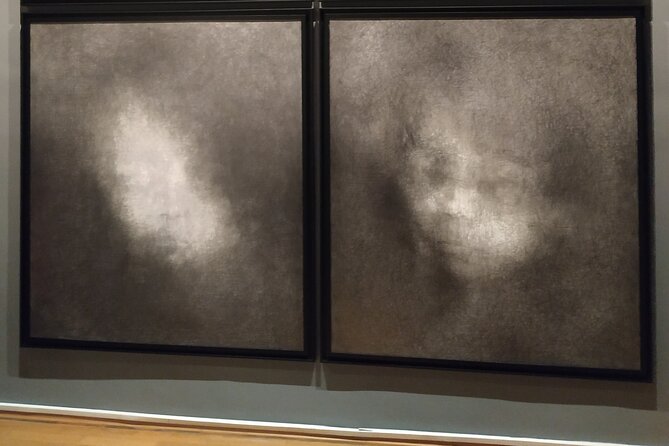
The fourth stop is Sofia City Art Gallery, where you spend about 20 to 30 minutes. Admission is included.
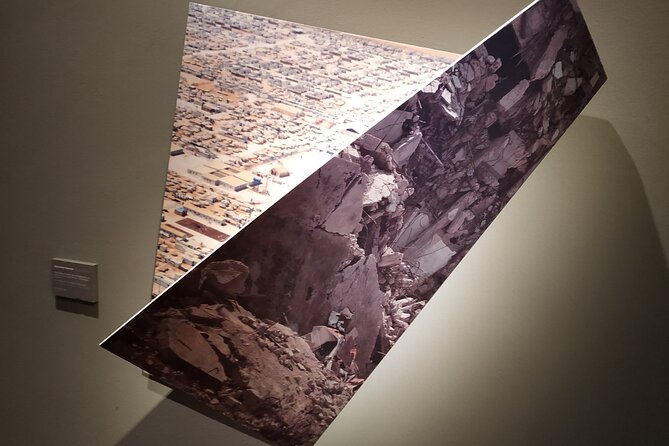
This museum adds a city-based view to the national collection at the former palace. The tour description places it within a broad art journey that reaches from early ages to contemporary work. That range is one of the strongest reasons to book the experience. You get a sense of change over time instead of seeing Bulgarian culture frozen in the past.
The museum visit also gives the guide a chance to explain Sofia’s own artistic identity. The National Art Gallery presents a national institution in a former palace. The Sofia City Art Gallery, by contrast, focuses on the capital and its art scene.
The time allowance remains brief, so you should not expect to cover every room. What you can gain is a clear framework: sacred art first, national art next, then a more local and modern view. That framework will help if you later choose to visit one of the museums at greater length.
One important strength is the guide’s commentary. Yoanna is praised for offering informed explanations and for giving a good sample of art from early periods through contemporary work. That is the sort of help that makes a short museum visit feel connected rather than random.
Walking past the National Assembly and central Sofia
The final part lasts about 30 minutes and takes you past the National Assembly of the Republic of Bulgaria and other important central landmarks and historic buildings.
This is not another museum admission. It is a walking segment that lets you place the art institutions within Sofia’s civic center. After spending much of the tour indoors, the walk gives you air, movement, and a clearer sense of the city around the museums.
The National Assembly is an important stop because it shifts the focus from art to public life. You see how cultural institutions and government buildings share the same central area. The route helps you understand Sofia as a capital, not just as a collection of isolated sights.
The tour ends back at the original meeting point. That is convenient if you are staying near the center or want to continue exploring from Alexander Nevsky Square. The information does not specify the exact walking distance or final drink location, so ask your guide at the start if you need to plan tightly around dinner or another booking.
What the guide adds to the experience
An art tour succeeds or fails on explanation. Paintings and icons can be impressive on their own, but a short visit needs a clear voice to tell you what matters.
Yoanna is the only guide named in the supplied information, and the strongest praise is directed at her commentary. The useful detail here is not simply that she knows the subject. Her role is to connect works across periods, from early religious art to contemporary pieces.
That approach suits the tour’s structure. You move quickly, so you need someone who can explain the big picture without turning every stop into a lecture. You can expect the guide to help you notice the relationship between the cathedral, the crypt, the palace collection, and the city gallery.
The group size deserves attention. The maximum is 100 people, which is large for a museum-based art experience. The actual group may be smaller, but the published limit means you should not assume an intimate seminar. A large group can make it harder to gather around a work or ask personal questions.
If you prefer a private, slow-paced art lesson, this may not be your ideal format. If you want a guided introduction in English and are comfortable moving with a group, the structure is more appealing.
Price, timing, and who gets the best value
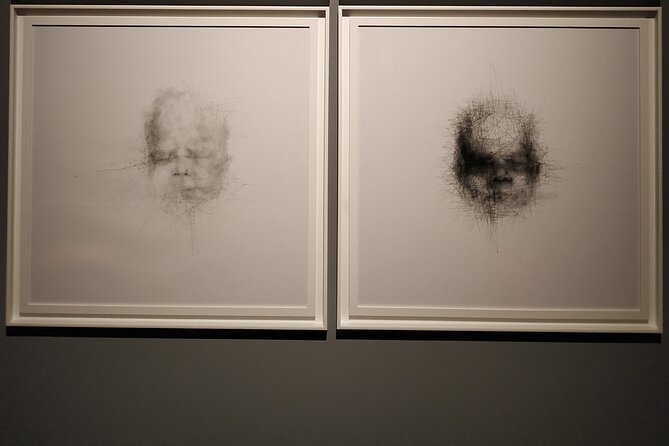
At $56.60 per person, this is a premium introduction rather than a cheap museum walk. Admission to all listed stops is included, along with a complimentary alcoholic beverage. The price also pays for the guide’s time and for the links between places that you might not make alone.
I would book it when you want orientation. It can save you from spending your first Sofia afternoon wondering which museum matters most or how Bulgarian art fits with the city’s major landmarks.
I would hesitate if your main goal is detailed study. The cathedral gets only 10 to 15 minutes, the crypt about 20 minutes, and each main gallery roughly 20 to 30 minutes. That is enough for context and highlights, not a full museum day.
The 3 pm start is practical. You can spend the morning on another Sofia activity, have lunch, and then meet at the crypt. The tour’s central route also reduces the need for a taxi or private transport. The meeting point is near public transportation, and the activity ends where it begins.
The experience requires good weather. That matters mainly for the final walking section, though the museums provide shelter for much of the route. If poor weather cancels the activity, you are offered another date or a full refund.
Free cancellation is available if you cancel at least 24 hours before the start time. Changes or cancellations inside that window are not accepted for a refund. That policy is worth noting if your Sofia schedule is still uncertain.
Who should book this art walk
I would recommend it to you if you want a clear first look at Bulgarian art without committing to a full day in museums. It suits first-time visitors, people who enjoy guided context, and anyone curious about the connection between religion, national culture, royal history, and modern Sofia.
It also works well if you normally skip art museums because you are unsure what to look for. The guide gives you a path through the collections, while the cathedral and central walk keep the afternoon from feeling like four indoor stops in a row.
Families and mixed-interest groups may find the variety useful. Someone interested in architecture gets the cathedral and palace. Someone interested in painting gets two galleries. Someone who prefers city sightseeing gets the central landmarks.
I would look elsewhere if you want a private tour, a slow photography session, or detailed time with individual works. The maximum group size of 100 and the short schedule point to a broad introduction rather than an intimate art lesson.
Should you book the Sofia art gallery tour?
Book it if you want one guided route through several sides of Sofia’s culture. The best part is the progression: cathedral, icons, royal art, city art, then civic landmarks. Yoanna’s commentary, when she leads the tour, adds the kind of explanation that helps early and modern works make sense together.
Skip it if you already know Sofia’s museums well or want to set your own pace. For everyone else, $56.60 is a fairer value when you treat the experience as a guided orientation, not as a replacement for visiting the museums slowly on your own.
FAQ
Where does the tour begin?
It begins at the Alexander Nevsky Crypt Icon Museum in Sofia Center, at pl. Sveti Aleksandar Nevski, 1000 Sofia, Bulgaria.
What time does the tour start?
The tour starts at 3 pm.
Where does the tour end?
The activity ends back at the meeting point.
How long does the tour last?
The tour lasts approximately two hours.
Is the tour offered in English?
Yes. The experience is offered in English.
Is museum admission included?
Yes. Admission is included for St. Alexander Nevsky Cathedral, the Alexander Nevsky Crypt Museum, the National Art Gallery, and Sofia City Art Gallery.
Is a drink included?
Yes. A complimentary alcoholic beverage is included. The specific type of drink is not stated.
How many people can join the tour?
The maximum group size is 100 people.
Can I cancel for a full refund?
Yes, if you cancel at least 24 hours before the experience starts. Cancellations or changes made less than 24 hours before the start time are not accepted for a refund.
New around Sofia
- Sofia Hidden Gems: Small-Group Walking Tour with Tram Ride★ 5.0 · 7 reviews
- Private Winter Day Trip to the Rila Mountain★ 4.5 · 3 reviews
- Veliko Tarnovo and Arbanassi Small-Group Day Trip from Sofia★ 4.5 · 13 reviews
- Via Ferrata Adventure on Kuklata peak 2257 m in Rila Mountain★ 5.0 · 8 reviews
- Tour to Koprivshtitsa and the Buzludzha monument incl the Seuthes Thracian Tomb★ 3.5 · 3 reviews
- Unique experience to sleep in Rila Monastery★ 5.0 · 6 reviews
- Catacomb Tour in Sofia guided by a Local★ 4.5 · 3 reviews
- Full day tour to Plovdiv with lunch★ 4.5 · 12 reviews
Museums, compared.

Admission Ticket to the Museum of Illusions in Sofia
Read our review →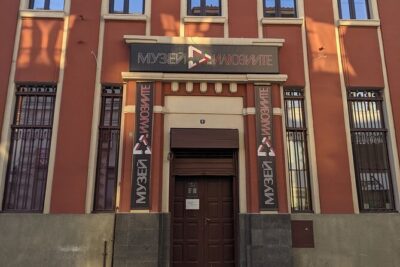
Admission Ticket to Illusions in Museum in Veliko Turnovo
Read our review →Buzludzha Monument and the Museum of Socialist Art
Read our review →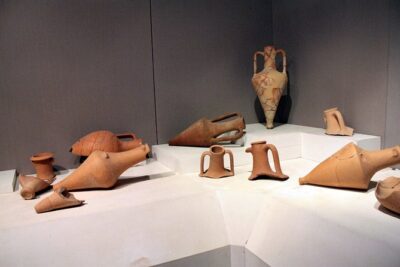
Self-guided tour in Varna Archaeological Museum + ticket
Read our review →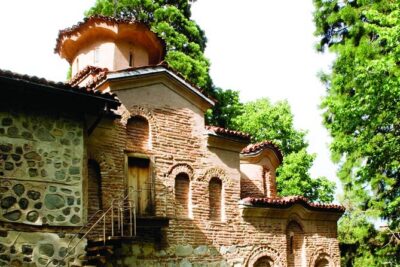
Private Sofia Half Day Tour with Boyana Church and National History Museum
Read our review →
Browse the lists this tour appears in